
Art Therapy & Ecotherapy —
what’s the right fit for you?
What is art therapy?
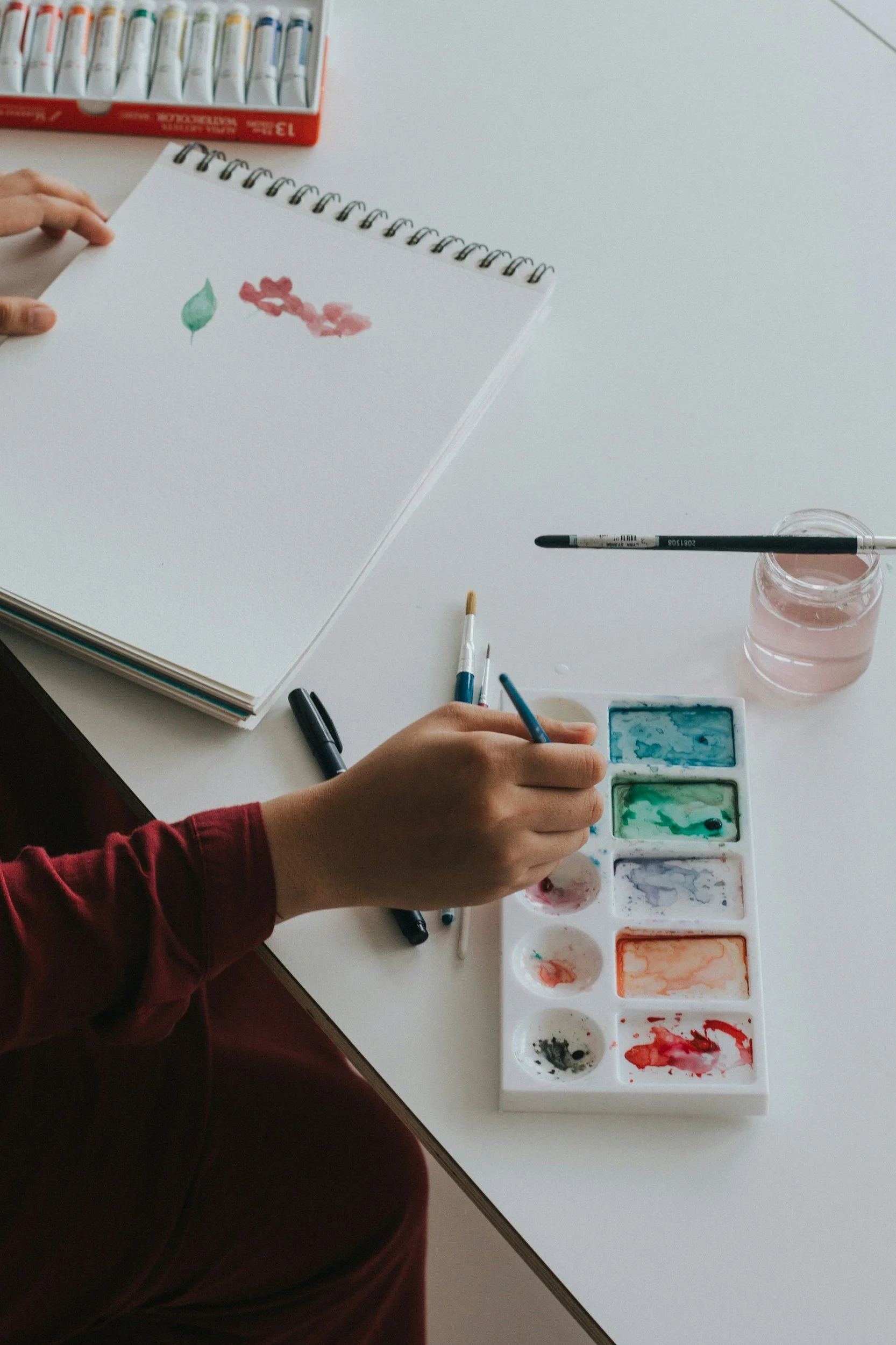
Art therapy combines the creative process with psychotherapy, facilitating self-exploration and understanding.
Using imagery, colour and shape as part of this creative therapeutic process, thoughts and feelings can be expressed that would otherwise be difficult to articulate.
Art therapy is effective for people of any age with little to no art knowledge or background. You do not need to be an artist or have experience in art-making to participate in the healing benefits of art therapy!
Art therapy has benefits for a diverse population. If you are experiencing grief, loss, trauma, neurodiversity (including disorders such as ADHD, ASD, depression, or PTSD/C-PTSD) or find that you lack the words to express your experiences, art therapy might be the right fit for you.
Through the use of art-making, discussions and reflection on the artwork, art therapy with a trained professional can support you in problem-solving, developing insights and self-awareness, improving self-esteem, managing stress and enhancing interpersonal skills.
What is ecotherapy?
Ecological art therapy (i.e., nature-based therapy, ecotherapy) incorporates ecology and ecopsychology* into a holistic practice that focuses on supporting a reciprocal healing relationship between you and nature.
Ecotherapy focuses on supporting a reciprocal circle of healing between nature and the individual beyond an anthropocentric, human-centred and extractive relationship. In ecotherapy, an individual may experience the emergence of an ‘ecological identity’ which links personal identity with an aspect of nature that can build bonds of attachment and experiences of belonging. Our ecological identity can promote our connections to ourselves, others and begin the process of deeper self-awareness and healing.
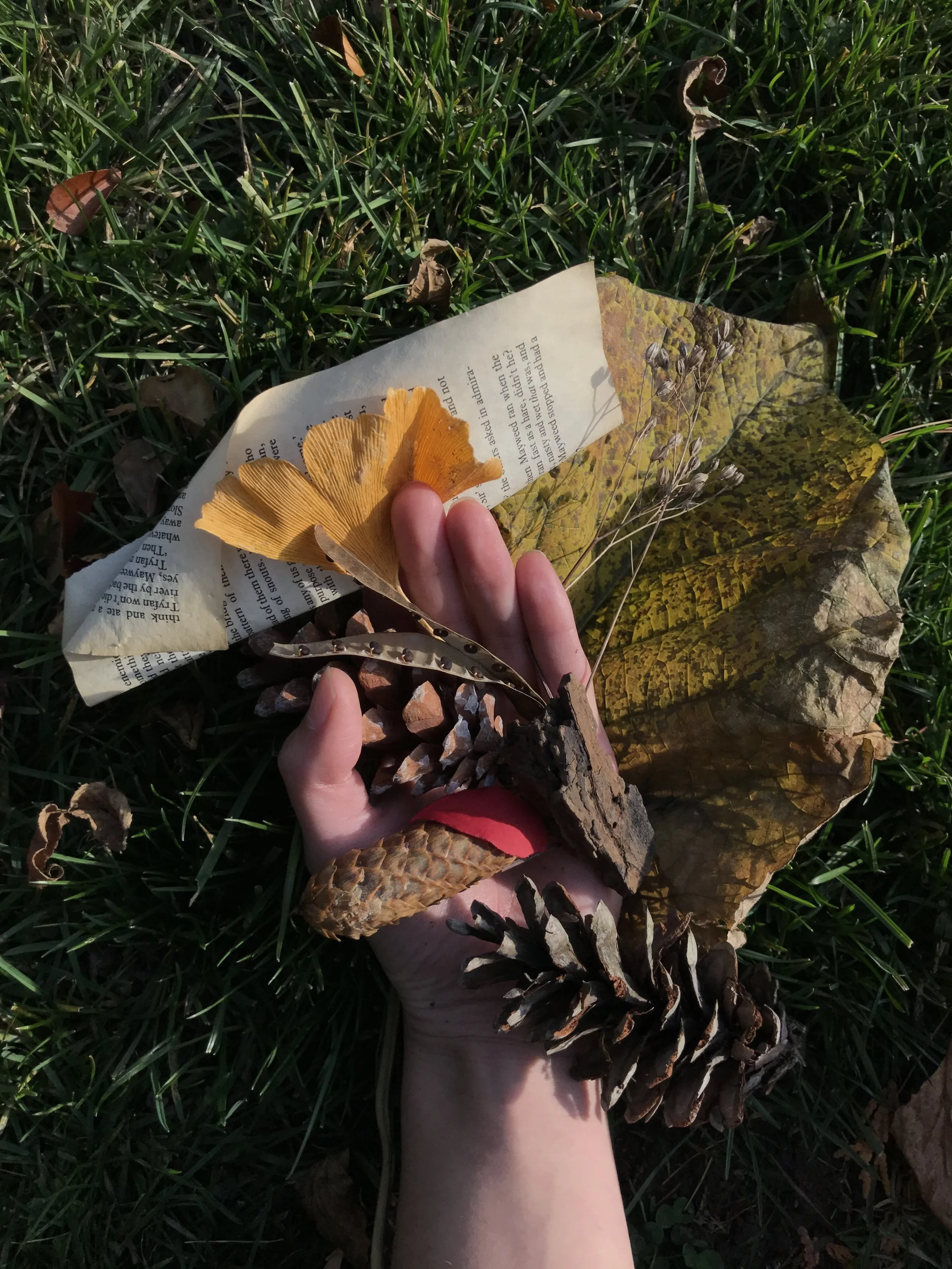
Ecotherapy integrated into art psychotherapy centers the importance of making contact with our capacity for wholeness and fostering positive relationships with the Earth and our surrounding environments and ecosystems. Experiences in nature, creating with natural materials and utilizing nature as metaphor can contribute to sensations of universality, centered attention, decreased anxiety, intrinsic motivation and sensations of resonance and belonging.
I utilize queer ecology as an approach to recognizing natural environments as a place to witness queerness, to explore sexual justice and to support straight, cis, queer, gender-nonconforming and transgender individuals to imagine and discover ways in which the natural world holds them and can support their growth. As we learn to listen to the land, we are able to deepen into our own wisdom about what our bodies and minds require for healing and peace, and how to become better stewards of the Earth.
*Ecopsychology is a theoretical field rooted in the belief that humans and nature are interdependent, interconnected, and that the well-being of an individual can be supported through the act of caring for their surrounding ecology.
What does ecotherapy look like in a session?
Ecotherapy can be practiced in a multitude of ways and can be supported in person or virtually. The ways we might introduce ecotherapy into our sessions can look like nature-based meditations, utilizing natural metaphors in art-making or writing, taking sessions outside or building upon your own spiritual, physical and emotional relationship with the Earth.
Where can we have sessions?
I predominantly work virtually however, if you are interested in taking sessions outdoors, reach out to me and we can find a location that suits your needs and safety.